Magnet Fishing for Beginners: Essential Tips to Get Started
There's a unique thrill in discovering forgotten relics, a sense of adventure that appeals to the inner explorer in all of us. While traditional treasure hunting might conjure images of dusty maps and remote islands, a growing number of enthusiasts are finding their own treasures much closer to home, lurking beneath the water's surface. This exciting and increasingly popular hobby is known as magnet fishing, and it’s surprisingly accessible for beginners.
At its heart, magnet fishing is elegantly simple: attach a powerful magnet to a sturdy rope, cast it into a body of water, and retrieve whatever metallic secrets it clings to. But beneath this simplicity lies a world of unpredictable finds, environmental clean-up potential, and an undeniable sense of mystery that makes every cast an exciting gamble. If you’re curious about diving into this watery scavenger hunt, read on for essential tips to help you get started.
What Exactly is Magnet Fishing?
The core concept of magnet fishing is straightforward, yet endlessly intriguing. Imagine a high-powered magnet, designed to attract ferromagnetic metals with immense force, being deployed into rivers, lakes, canals, or ponds. Once submerged, it’s methodically dragged along the bottom, sweeping through sediment and forgotten debris until it latches onto a metallic object. The characteristic 'thunk' or added resistance signals a catch, and then the slow, deliberate pull begins, revealing whatever mystery the depths have yielded.
The beauty of magnet fishing lies in its versatility regarding location. Practically any water body has the potential to hide metallic treasures, from tranquil ponds to bustling urban canals. Savvy magnet fishers often focus their efforts on areas with historical significance or high human traffic. Think old bridges that have stood for centuries, bustling docks where items are easily lost, or popular recreational spots like parks and beaches. These locations are veritable time capsules, often holding everything from lost tools and coins to genuine historical artifacts. The excitement isn't just in finding something valuable, but in the sheer surprise – you never truly know what surprise awaits your next retrieve.
Gearing Up: Essential Equipment for Your First Haul
One of the many appeals of magnet fishing is its relatively low barrier to entry. You don't need a boatload of expensive gear to begin your aquatic treasure hunt. However, choosing the right foundational equipment is crucial for both success and safety. Here’s what every aspiring magnet fisher needs:
- The Magnet: Your Primary Tool
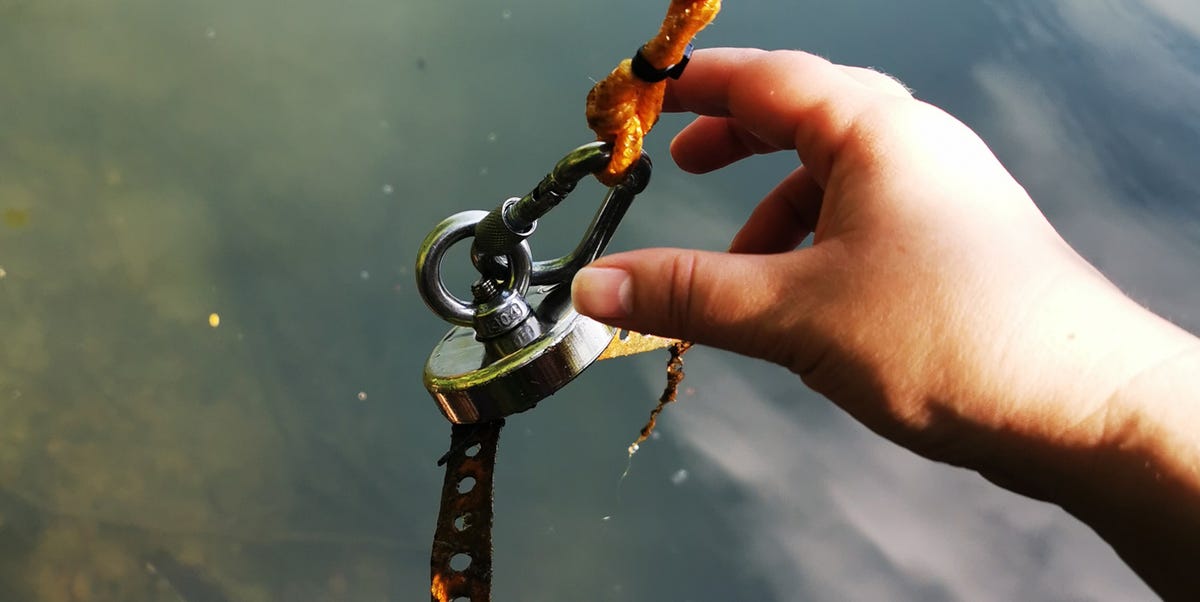
Forget the weak magnets holding photos to your fridge; magnet fishing demands serious magnetic power. The most effective magnets for this hobby are crafted from Neodymium Iron Boron (NeFeB), currently the strongest permanent magnetic material available. These aren't just strong; they possess an impressive 'pull force' – often measured in hundreds of kilograms – indicating the weight they can lift. A high pull force is paramount for securing larger, heavier, or more deeply embedded objects. Furthermore, look for magnets that are coated, typically with durable nickel plating, to protect against corrosion from prolonged water exposure. Uncoated magnets and water are a recipe for rapid degradation. While single-sided magnets are a good starting point, many experienced fishers opt for double-sided magnets, which offer a larger magnetic surface area and increase the chances of a catch, especially when dragging. For an in-depth guide on selecting the perfect magnet and other gear, make sure to check out our article on Choosing the Best Magnet Fishing Kit: Magnets, Rope & More. - The Rope: Your Lifeline to Discovery
A powerful magnet is useless without a strong, reliable rope. This isn't just any rope; it needs to be robust enough to withstand the combined weight of your magnet and potentially heavy finds. Look for ropes made from durable, weather-resistant materials like nylon or polypropylene that won't easily fray or degrade in water. Thickness is also important for comfortable grip and handling. For beginners, a rope of at least 15 to 20 meters (approximately 50-65 feet) is advisable. This length provides enough reach for deeper waters and allows for broader sweeping motions, increasing your chances of finding hidden items. Learning a few strong knots, like the Palomar knot or bowline, will also ensure your magnet stays securely attached. - Collection & Safety Gear: Beyond the Basics
While the magnet and rope are your core tools, a few additional items are essential:- Gloves: Absolutely crucial. Magnet fishing finds are often rusty, sharp, slime-covered, or all three. Heavy-duty work gloves will protect your hands from cuts, tetanus, and general grime.
- A Sturdy Bucket or Bag: You'll need somewhere to safely store your retrieved items, especially rusty and sharp metal, as well as any trash you pull out of the water.
- Grappling Hook (Optional but Recommended): Magnets can sometimes get snagged on underwater obstacles. A small grappling hook can be invaluable for trying to dislodge and retrieve a stuck magnet.
- First-Aid Kit: Accidents can happen. A basic first-aid kit for minor cuts or scrapes is always a good idea.
- Towel & Hand Sanitizer: For cleaning up after your adventure.
Where to Cast Your Magnet: Finding Prime Locations
The success of your magnet fishing adventure often hinges on choosing the right location. While any body of water *might* yield a find, certain spots dramatically increase your odds:
- Bridges and Docks: These are perennial hotbeds for magnet fishing. People frequently drop items from bridges, and docks are busy areas where tools, keys, and personal effects can easily fall into the water. Older, more heavily trafficked structures tend to be particularly fruitful.
- Parks and Beaches Near Water: Recreational areas often mean lost items. Coins, jewelry, and even cell phones can slip from pockets or hands during picnics, swims, or strolls.
- Fishing Spots and Boat Ramps: Anglers often lose tackle, knives, and other gear. Boat ramps are also areas where various metallic objects, from tools to spare parts, can tumble into the water.
- Historical Sites: Researching local history can lead you to forgotten battlegrounds, old industrial areas, or historical settlement sites near water. These locations have the potential to yield truly unique and historically significant artifacts.
Before you even cast your line, a little reconnaissance goes a long way. Use online maps, local forums, and even historical records to identify promising areas. Look for signs of human activity, past or present, around water bodies.
Safety First: Legalities and Practical Precautions
While magnet fishing is an exhilarating pastime, it's crucial to approach it with a strong emphasis on safety and legality. Overlooking these aspects can lead to dangerous situations or legal trouble.
Understanding the Law
Perhaps the most vital tip for any beginner is to research the laws in your area before you start magnet fishing. Magnet fishing isn't universally legal, and regulations vary significantly by country, region, and even specific municipality. Some jurisdictions outright prohibit the practice, while others require permits or have strict rules regarding where you can and cannot fish. For example, in the UK, while generally legal, organizations like the Canal & Rivers Trust often prohibit it due to safety concerns and potential damage. Furthermore, you almost always need explicit consent from the landowner if you plan to magnet fish in privately owned water bodies to avoid trespassing charges.
Failing to understand and comply with local laws can result in fines, confiscation of your equipment, or even more severe legal repercussions. Always prioritize responsible and lawful practice. For comprehensive information on this topic, refer to our detailed guide: Is Magnet Fishing Legal? What You Need to Know Before You Start.
Practical Safety Measures
Beyond legal considerations, personal safety is paramount:
- Wear Protective Gear: As mentioned, heavy-duty gloves are non-negotiable. Steel-toed boots can also offer protection if you're pulling heavy objects from muddy banks.
- Beware of Sharp Objects: Many finds will be rusty, jagged metal. Handle everything with extreme caution.
- Watch for Unexploded Ordnance (UXO): While rare, magnet fishers have retrieved unexploded bombs or grenades. If you find anything that resembles a weapon or explosive device, do not touch it. Mark its location, retreat to a safe distance, and immediately contact local authorities (police or bomb disposal experts).
- Be Aware of Your Surroundings: Riverbanks can be slippery, uneven, or unstable. Be mindful of currents, especially in rivers, and never put yourself in a position where you could fall into the water. It’s also wise to avoid fishing alone, especially as a beginner.
- Responsible Disposal: You'll likely pull up a lot of junk. Be prepared to properly dispose of non-valuable items and trash. Don't leave it on the bank; contribute to cleaning up the environment.
- Respect Private Property and Wildlife: Always respect 'No Trespassing' signs and be mindful of local flora and fauna.
The Thrill of the Unknown: What You Might Find
The allure of magnet fishing lies deeply in the element of surprise. Unlike traditional fishing where you generally know what you're targeting, every cast in magnet fishing is a lottery. The possibilities are truly endless, ranging from mundane to magnificent.
Common finds often include a variety of metal tools, old coins, fishing tackle, keys, and miscellaneous bolts or scrap metal. But then there are the extraordinary finds that fuel the hobby's growing popularity: antique weapons (swords, knives, even firearms), vintage coins, historical artifacts, jewelry, and in some rare, astounding cases, even entire vehicles! While most of your hauls will likely be scrap metal, the tantalizing prospect of unearthing something truly unique keeps enthusiasts coming back for more.
If you do stumble upon something that appears to be historically significant or potentially valuable, it's often advisable to research its provenance. In some cases, historical artifacts may belong to museums or relevant authorities, and it's good practice to inquire about the proper protocol for such discoveries.
Conclusion
Magnet fishing offers an exciting, affordable, and often rewarding way to connect with history and help clean up our waterways. It's a blend of treasure hunt, archaeological dig, and environmental stewardship, all rolled into one captivating activity. By understanding the basic equipment, knowing where to look, and most importantly, adhering to safety protocols and local laws, beginners can embark on their magnet fishing journey with confidence.
So, gather your gear, research your spot, and prepare for the thrill of the unknown. Who knows what forgotten stories and treasures await your discovery beneath the murky depths? With a strong magnet and a little bit of luck, you're ready to make your first memorable haul.