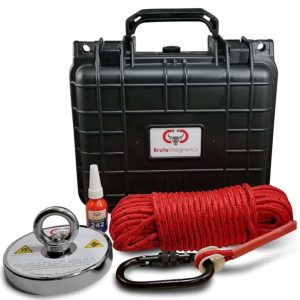
Choosing the Best Magnet Fishing Kit: Magnets, Rope & More
Magnet fishing has rapidly emerged as a captivating and rewarding hobby, blending the thrill of discovery with a unique form of environmental cleanup. The concept is refreshingly simple: lower a powerful magnet attached to a sturdy rope into a body of water and retrieve whatever ferrous treasures lie beneath. From ancient coins and tools to historical artifacts and even unexpected relics, the waters hold a world of surprises. However, the true enjoyment and success of your magnet fishing adventures hinge significantly on having the right equipment. This comprehensive guide will walk you through selecting the best magnet fishing kit, ensuring you're well-prepared for your next underwater expedition.The Heart of the Hunt: Choosing Your Fishing Magnet
At the core of every effective magnet fishing setup is, naturally, the magnet itself. But these aren't your ordinary refrigerator magnets; we're talking about industrial-strength powerhouses designed to cling tenaciously to submerged metal.Neodymium Magnets: The Unrivaled Choice
The vast majority of reputable fishing magnets are made from Neodymium Iron Boron (NdFeB). Renowned as the strongest type of permanent magnet available, neodymium provides the exceptional pull force necessary to retrieve weighty or deeply embedded objects. Their incredible magnetic strength ensures a much higher success rate compared to weaker alternatives.
Understanding Pull Force and Its Importance
When shopping for a magnet, you'll frequently see a "pull force" rating, typically measured in kilograms (kg) or pounds (lbs). This figure represents the maximum static weight the magnet can theoretically lift under ideal conditions – perfectly flat, clean steel surface, direct pull, no air gap. In the real-world conditions of murky waters, however, this translates differently:
- Object Shape and Surface: Irregular shapes, rust, or uneven surfaces will reduce the effective pull force.
- Air Gap: Even a thin layer of mud or debris between the magnet and the object can drastically diminish holding power.
- Drag: Pulling an object through water and mud creates significant resistance.
For beginners, a magnet with a pull force of at least 150-200kg (330-440 lbs) is a good starting point. Enthusiasts looking for heavier finds or fishing in challenging conditions might opt for magnets rated 300kg (660 lbs) or more. Consider what you realistically expect to find and the environment you'll be fishing in.
Single-Sided vs. Double-Sided Magnets
- Single-Sided Magnets: These have magnetic pull from only one face. They are excellent for vertical drops (like off a bridge or pier) where you want the magnet to land face down and drag along the bottom. They often come with a single eyebolt on the non-magnetic side for rope attachment.
- Double-Sided Magnets: Featuring magnetic attraction on two opposing faces, these are highly versatile. They typically have two eyebolts, allowing you to attach the rope either centrally (for dragging along the bottom, ensuring one face always makes contact) or from one end (for vertical drops, similar to a single-sided magnet). Double-sided magnets offer greater chances of hooking onto something as they tumble and sweep. Many experienced magnet fishers prefer double-sided for their flexibility.
Durability and Protection
Water is corrosive, especially to bare metal. High-quality fishing magnets are typically encased in durable stainless steel or coated with nickel plating. This protective layer is crucial to prevent rust and extend the lifespan of your magnet, ensuring it maintains its strength over countless expeditions.
The Lifeline: Selecting the Right Magnet Fishing Rope
A powerful magnet is only as good as the rope it's attached to. The rope is your direct link to your underwater finds, and its strength, length, and durability are paramount.Material Matters: Strength and Buoyancy
- Nylon: A popular choice, nylon ropes are strong, durable, and have good abrasion resistance. They absorb some water, which can make them slightly heavier when wet, but their reliability is unmatched.
- Polypropylene: Lighter and often less expensive, polypropylene ropes have the advantage of floating. This can be beneficial in fast-moving water or when you want to avoid snags on the bottom, as the rope won't sink as quickly. However, they may not be as abrasion-resistant as nylon.
- Dyneema/UHMWPE: For the ultimate in strength-to-weight ratio and minimal stretch, ultra-high-molecular-weight polyethylene (UHMWPE) ropes (like Dyneema) are exceptional. They are incredibly strong, very thin, and have excellent abrasion resistance, making them ideal for heavy lifting but typically come at a higher cost.
Regardless of material, look for ropes specifically designed for outdoor or marine use, with a high breaking strain.
Diameter and Length: Practical Considerations
- Diameter: A thicker rope is generally stronger and easier to grip, especially when wet or pulling heavy objects. A diameter of 6mm to 10mm (1/4 to 3/8 inch) is usually sufficient. Too thin, and it can be difficult to hold; too thick, and it becomes bulky.
- Length: You'll want a rope long enough to reach the deepest parts of your chosen fishing spots. A minimum of 15-20 meters (50-65 feet) is recommended for most riverbanks and bridges. For deeper waters or more adventurous casting, ropes up to 30 meters (100 feet) are common. Always err on the side of having more length than you think you'll need.
Secure Knotting: Your Lifeline's Anchor
The strongest magnet and rope are useless if the connection fails. Learn to tie a reliable knot, such as the Palomar knot, Bowline knot, or a double fisherman's bend. Practice securing your magnet to the rope's eyebolt until it feels second nature. A lost magnet is a disheartening end to any outing!
Beyond the Basics: Essential Accessories for Your Magnet Fishing Kit
While a strong magnet and robust rope form the core, a few additional items can significantly enhance your safety, efficiency, and overall enjoyment.- Gloves: Absolutely non-negotiable! Heavy-duty, cut-resistant gloves protect your hands from sharp, rusty, or otherwise hazardous objects you might retrieve. They also improve grip on wet ropes.
- Grappling Hook: Sometimes, the magnet catches something non-ferrous, or an object is too large or awkwardly shaped for the magnet to lift. A small grappling hook can be a lifesaver for dislodging items or retrieving things the magnet can't hold.
- Bucket or Bag: A sturdy bucket or canvas bag is essential for collecting your finds, especially rusty or muddy ones, and for proper disposal of any trash you pull out. Always remember that part of the joy of magnet fishing is also contributing to cleaner waterways.
- Cleaning Tools: A stiff brush, a small scraper, or even an old toothbrush can help clean mud and debris from your magnet and your finds.
- Carrying Case or Backpack: A dedicated bag makes transporting your kit much easier and safer, especially when handling a powerful magnet that could inadvertently attach to metal objects during transit. Consider a magnet cover or sheath for added safety.
- First-Aid Kit: Accidents happen, especially when dealing with old, sharp metal. A basic first-aid kit with antiseptic wipes, bandages, and gauze is a smart addition.
- Legal Research: Before you even cast your line, understanding local regulations is crucial. Magnet fishing isn't legal everywhere, and some areas require permits or landowner permission. For more detailed information on this, check out Is Magnet Fishing Legal? What You Need to Know Before You Start.